
#PQ174
PicoScope Automotive Oscilloscope - 4 Channels


#PQ174
PicoScope Automotive Oscilloscope - 4 Channels
$2905.00*
*15% GST applicable for sales within NZ
Product Description
- Up to 400 MS/s real-time sample rate
- 20MHz bandwidth
- 250,000,000 sample memory
- ±200 V input range
- Floating inputs
- ConnectDetect™ for reliable connections
- No external power supply required
- USB 3.0 connection for faster screen updates
- Protected against overloads and short circuits
- Easy to use with any vehicle
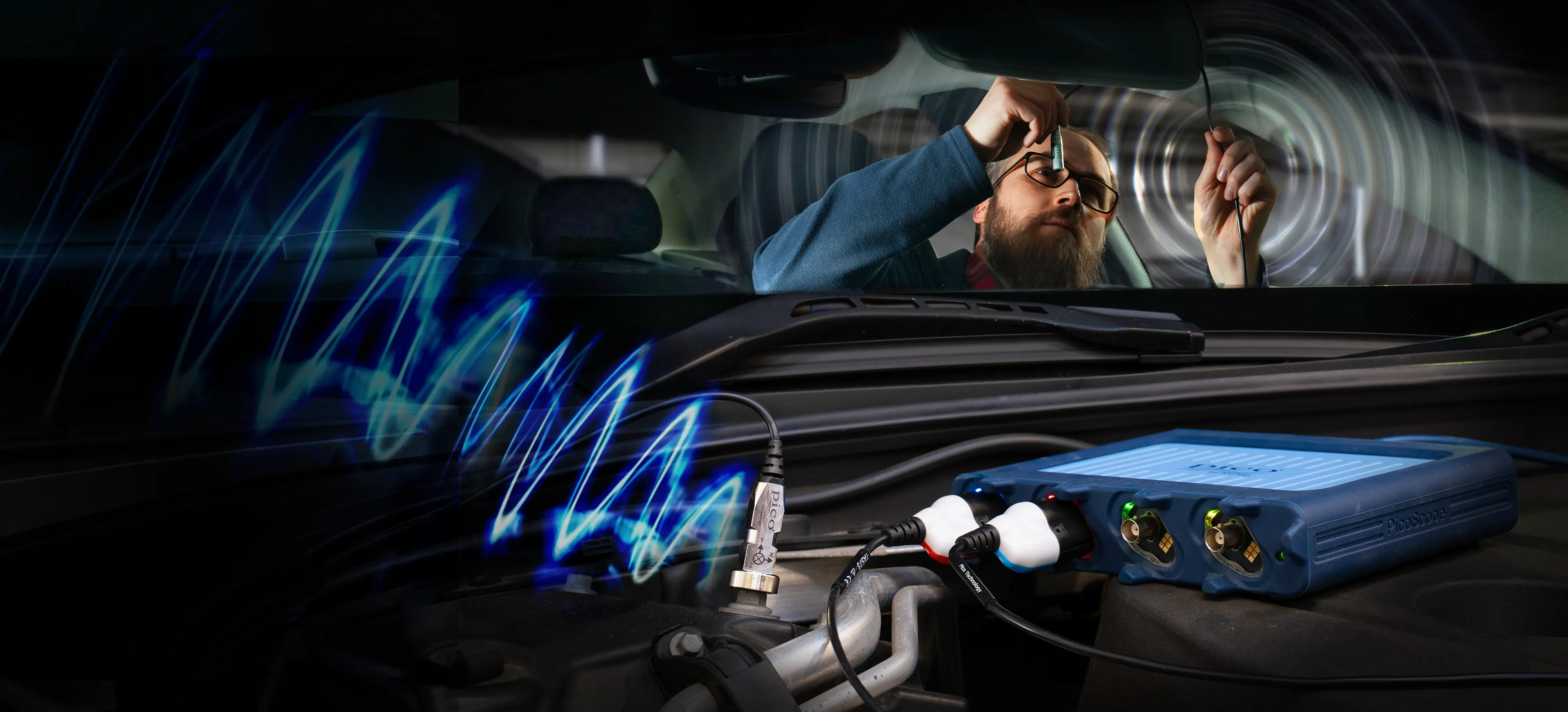
When you buy a PicoScope Automotive Oscilloscope you get industry-leading performance that is both affordable and easy to use. With the introduction of the PicoScope 4425 and 4225, performance has been upgraded - but the price remains the same!
Pico automotive oscilloscopes are used by more than twenty of the world's leading vehicle manufacturers, and in thousands of workshops to save time and money by making it easier and quicker to diagnose faults.
Try PicoScope Before You Buy
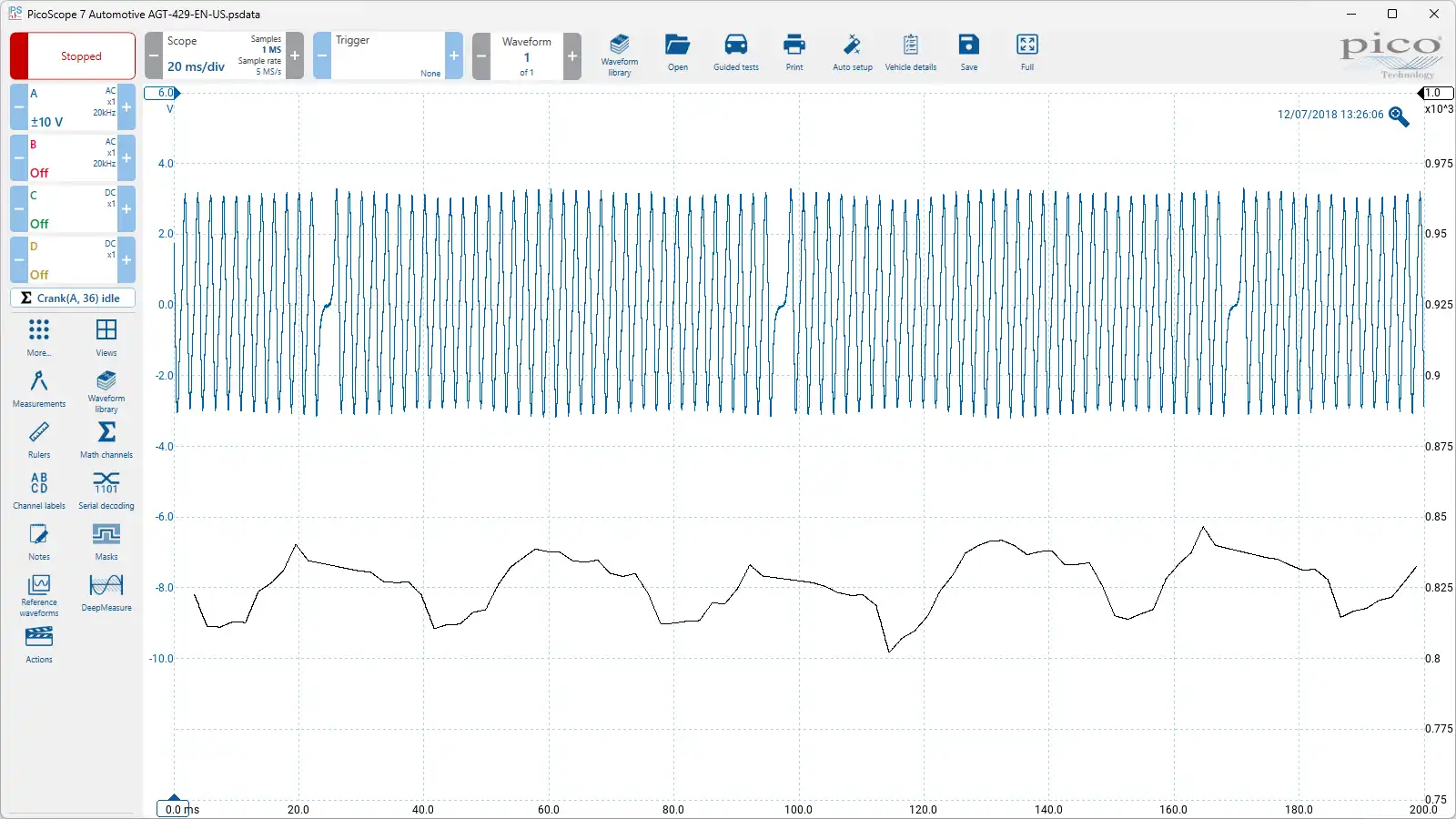
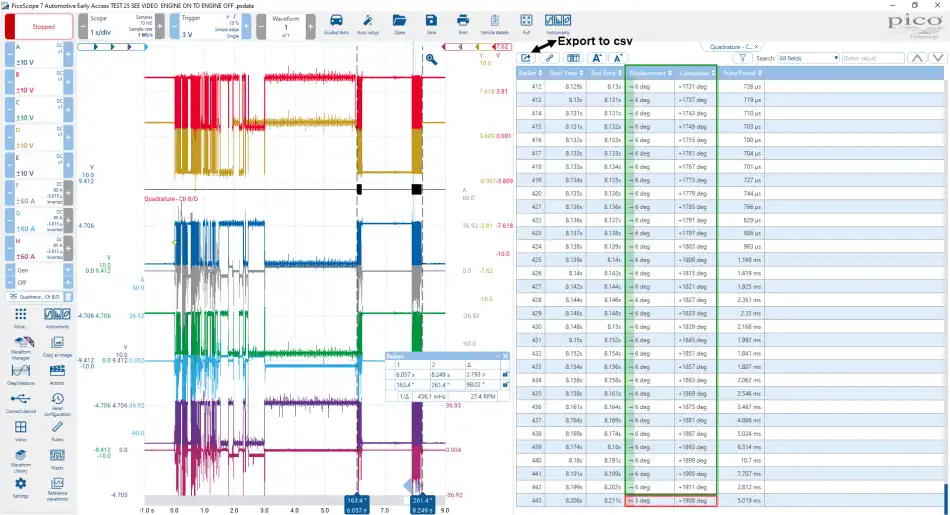
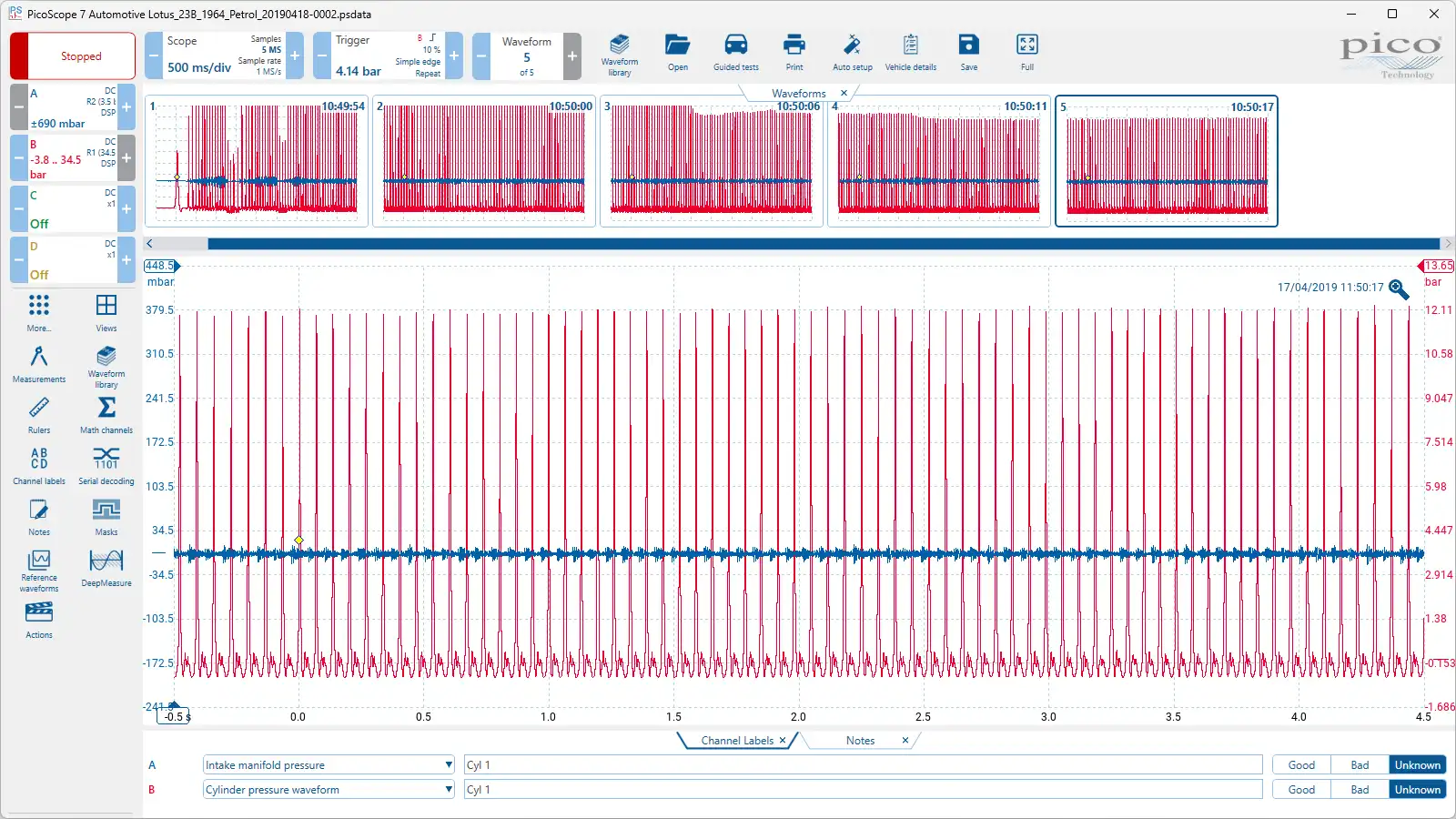
You do not need to own a PicoScope to explore the software. Download PicoScope 7 Automotive free of charge and run it in Demo Mode to experience its interface, diagnostic tools and capabilities before investing in a kit.
| Download PicoScope 7 Automotive for Windows | View the latest software downloads |
Free PicoScope Automotive Training App
Continue learning wherever you are with the free PicoScope Automotive training app for phones and tablets.
The app includes helpful articles, videos, animations, guided tests and practical information explaining how PicoScope can benefit technicians and workshops. It is an excellent resource for new users, automotive students, sales representatives and live product demonstrations at exhibitions.
Please note that the training app does not connect to a PicoScope or display live waveforms.
Explore the free PicoScope training app
Free Beginner’s Guide to Oscilloscope Diagnostics
New to automotive oscilloscopes? Download Pico’s comprehensive guide to oscilloscope diagnostics.
This useful resource explains how PicoScope works, how to begin testing vehicle systems and how waveform-based diagnostics can help technicians identify the root cause of difficult faults.
It is particularly valuable for:
- New PicoScope users
- Automotive technicians developing their diagnostic skills
- Schools, colleges and technical training providers
- Workshops evaluating PicoScope before purchasing
- Customers who want to better understand oscilloscope diagnostics
Download the free oscilloscope diagnostics guide
Whether you are an experienced diagnostic specialist, a technician taking the next step or a training provider introducing students to modern vehicle diagnostics, Pico gives you the hardware, software and learning resources needed to get started with confidence.
Technical Specifications
| PicoScope 4425A | PicoScope 4225A |
| What does it all mean? The main specifications explained.
Vertical Resolution The number of dots in the waveform from top to bottom. '12 bits' means 4,096 dots, which is more detail than you can see on the screen all at once. PicoScope stores the extra detail for when you zoom in.
Buffer Memory The number of dots in the waveform from left to right. If you don't have enough memory then the waveform won't show all the detail in the signal. PicoScope has more than enough memory, so you can zoom in thousands of times and still see a clear display and spot intermittent glitches.
Waveform Buffer A memory that collects your most recent waveforms. If a waveform disappears off the screen, you can look back through the waveform buffer to find it.
Trigger This ensures that the scope captures the waveform at the right time and keeps it in a stable position on the screen. PicoScope can set up the trigger automatically, but if you want you can select special trigger modes to catch unusual waveforms that you might otherwise miss.
Bandwidth For faster signals, more bandwidth gives a more faithful reproduction of the signal shape on the screen. PicoScope has enough bandwidth to display CAN bus and FlexRay signals accurately.
Sampling Rate Like bandwidth, this is more important for fast signals. A high sampling rate ensures that you catch the high-frequency details of the signal. |
| |
|---|---|---|---|---|---|
| Channels | 4 | 2 | |||
| Vertical Resolution | 12 bits (16 bits in enhanced resolution mode) | ||||
| DC Accuracy | ±1% of full scale (2% on 50mV range) | ||||
| Sensitivity | 10 mV/div to 40 V/div | ||||
| Input Ranges (full scale) | ±50 mV to ±200 V in 12 ranges | ||||
| Input Impedance | 1 MΩ in parallel with 24 pF | ||||
| Input Type | Floating single-ended BNC connector | ||||
| Input Coupling | Software selectable AC/DC | ||||
| Input Overvoltage Protection | ±250 V (DC + AC peak) | ||||
| Buffer Memory | 250 M samples shared between active channels | ||||
| Waveform Buffer | Up to 10,000 waveforms | ||||
| Timebase Ranges | 5 ns/div to 5000 s/div | ||||
| Bandwidth | 20 MHz (10 MHz on ±50 mV range) | ||||
| Maximum Sampling Rate (single shot) 1 channel in use 2 channels in use 3 or 4 channels in use | 400 MS/s 200 MS/s 100 MS/s | ||||
| Triggers | |||||
| Source | Any input channel | ||||
| Basic Triggers | Auto, repeat, single, none | ||||
| Advanced Triggers | Rising edge, falling edge, edge with hysteresis, pulse width, runt pulse, dropout, windowed, logic | ||||
| Maximum Pre-Trigger Delay | Up to 100% of capture length | ||||
| Maximum Post-Trigger Delay | Up to 4 billion samples | ||||
| Spectrum Analyser | |||||
| Frequency Range | DC to 20 MHz | ||||
| Display Modes | Magnitude, peak hold, average | ||||
| Environmental | |||||
| Operating Temperature Range | 0 °C to 40 °C (15 °C to 30 °C for quoted accuracy) | ||||
| Operating Humidity Range | 5% to 80% RH, non-condensing | ||||
| Storage Temperature Range | -20 to +60°C | ||||
| Storage Humidity Range | 5 to 95% RH, non-condensing | ||||
| Physical Characteristics | |||||
| Dimensions | 190 x 160 x 40 mm (approx 7.5 x 6.3 x 1.6 in) | ||||
| Weight | <900 g (approx 2 lb) | ||||
| General | |||||
| Additional Accessories (supplied) | USB 3.0 cable, user manuals, software CD-ROM | ||||
| PC Interface | USB 3.0 (USB 2.0 compatible) | ||||
| Power Requirements | Powered from USB port | ||||
| Compliance | FCC (EMC), CE (EMC and LVD), RoHS compliant | ||||